Learn More—Contact Us
Reliable Washing Machine Repair Services
From minor glitches to major repairs, trust Washing machine repair in Dubai to get your washer running smoothly again.
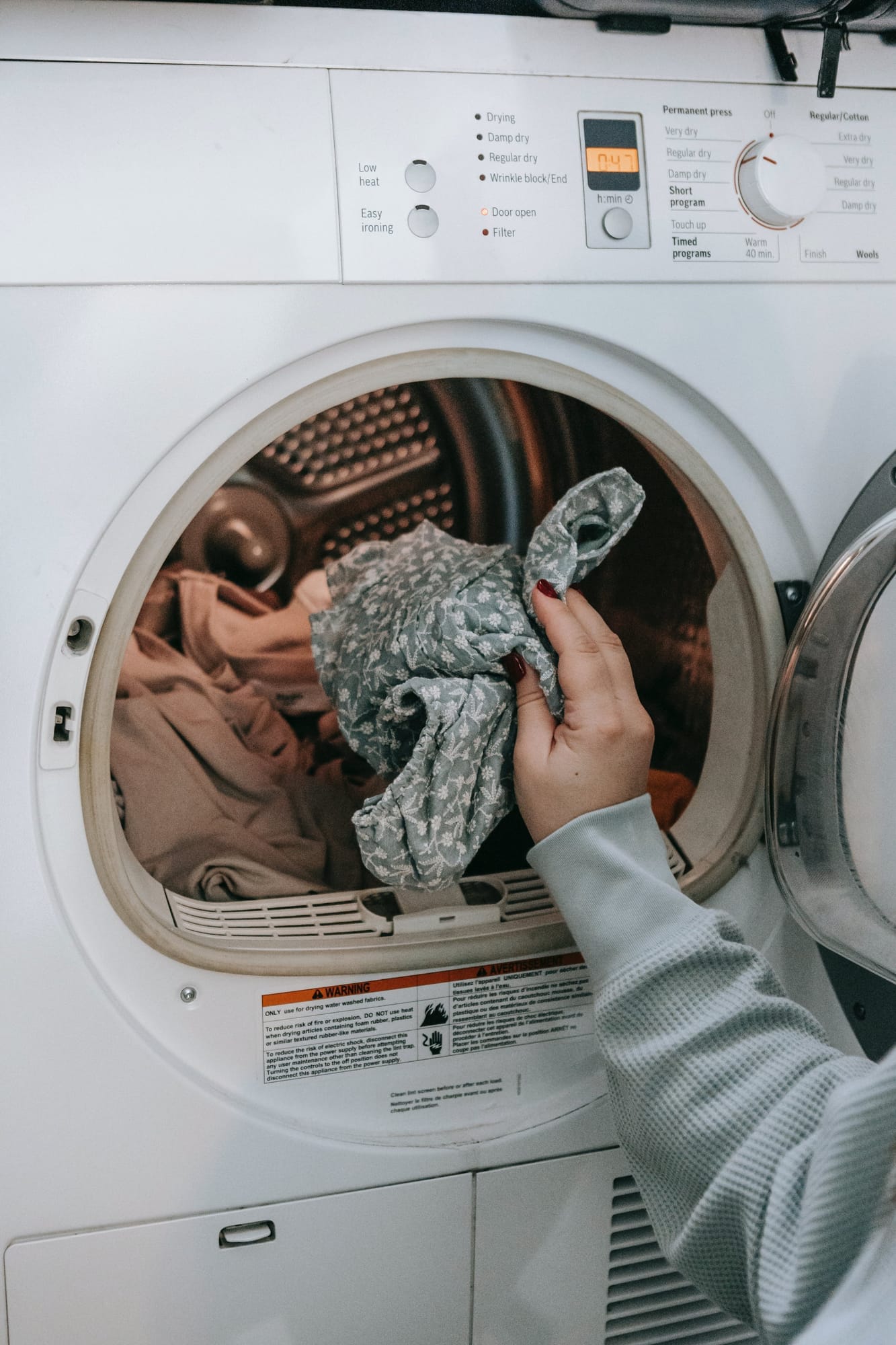
From minor glitches to major repairs, trust Washing machine repair in Dubai to get your washer running smoothly again.
Take immediate action to stop further damage to your washing machine if you discover a leak. Water damage to your home's structure and flooring can be caused by leaks. Additionally, standing water in the laundry room fosters the growth of mold, which can be harmful to your health.
Troubleshooting: Washing Machine Leakage from the Base
There are a number of possible reasons why your top-load washer could be leaking from the bottom. If water is leaking out of the machine, it could be due to a broken water pump. Another typical problem, especially with top-load washers, is a drum leak, either inside or out. If these drums get cracked or otherwise damaged, water will leak out while the washer is running.
The door seal on your front-loading washer could be old or damaged, which would cause water to leak around the door. Do not wait to fix a leak if you do not want water to ruin your floors or the things around them. If you aren't sure what the problem is or how to remedy it, it's best to call an appliance repair agency.
The bottom of the washing machine is leaking.
Why Do Most Washing Machine Leaks Occur?
Dubai residents may find dealing with a leaking washing machine to be an arduous task. Resolving the issue successfully requires investigating the fundamental causes of these leaks, which could include fractured tubs, worn or damaged hoses, loose fill and drain hoses, or faulty tub bearings. In what follows, we'll examine some of the most typical reasons why washing machines leak.
Damaged or Worn Hoses
Damaged or worn hoses are one possible cause of a washing machine leak in both top-loading and front-loading machines. Regular use and exposure to water and detergents can cause these hoses—the supply hose, the inlet water hose, and the drain hose—to deteriorate over time. A hose could burst while you're washing if it has any holes, tears, or other weak points.
Disconnects or Broken Wires
Loose or broken connections, such the fill and drain hoses, are a common source of washing machine leaks. A network of hoses connects the machine to the water main and the sewer system. Water might seep out of a drain hose due to loose clamps or a broken connection.
Leaks can become more worse if the rubber washers used in these connections wear down over time. During the wash cycle, even a tiny hole might cause a significant water leak.
Damaging the Washer Too Much
The inner and outer drums, as well as the seals, can experience excessive strain when the washing machine is overloaded with an excessive number of garments. The machine can become imbalanced and water can seep out during the wash or spin cycles if the seals are weakened due to this strain. When a washing machine isn't balanced properly, it causes leaks and vibrates too much when running.
washer that is too full
Misuse of Detergents
No matter if your washing machine is top-load or front-load, an overabundance of detergent is a typical cause of leaks. When you use too much laundry detergent, the suds will build up and block the machine's drainage system, causing it to leak while the cycle is running.
But, if you use less detergent than what's recommended, the cleaning won't be up to par, and you'll have to run more cycles, which can lead to leaks in the long run.
Problematic Door Gaskets or Seals
Faulty door seals or gaskets, especially in front load washers, are another probable cause of washing machine leaks. A watertight barrier is formed between the door and the drum by the door seal during the wash cycle. The efficiency of these seals can be compromised and water can seep out when they wear down or develop tears over time.
Pipe Clog Pump
While the machine is in the wash or spin cycle, the drain pump is at work draining the water out of the machine. The drain pump filter is susceptible to blockage due to the gradual accumulation of dirt such lint, fabric, and other foreign items. A leaking washing machine occurs when the drain pump becomes clogged and water is unable to drain properly from the machine.
Not removing the drain cap that came with the top-load washer after installation is another typical reason for a leak.
Damaged Bathtub
A broken tub is a common source of water leaks in washing machines, regardless of the loading style. Over time, washing machines can experience wear and tear or mechanical stress that causes fractures to form in both the outer tub and the inner tub, also known as the wash drum. A leaking washing machine might be the consequence of water seeping out of these fractures when the machine is in the wash or spin cycle.
Tub Seal That Leaks
A broken tub seal, which connects the exterior tub to the wash drum, is another typical cause of water leaks in washing machines. During the wash cycle, water cannot escape thanks to this seal. Damage to the seal over time can cause it to leak around the machine, which could result in water seeping out.
Hydraulic Inlet Valve Broken or Malfunctioning
During a wash cycle, the inlet valve regulates the amount of water that flows into the washer. These water valves are susceptible to wear and tear and cracking over time, which might cause the washer to leak. Even when the washer is not in use, water won't be able to drain out of the machine correctly if the input valve can't cut off the water flow.
popular reasons why washing machines can leak
Fixing a Leaky Drain Hose
Another typical reason for a washer to leak is a leaking drain hose. The machine's effluent is emptied into the drainage system by means of the drain hose. Water can drip or leak from the drain hose if it gets frayed, loose, or cracked over time. This kind of leak usually happens when the washer is on the drain cycle, which means water collects around the machine and might potentially ruin the region.
Deteriorated or Broken Tub Bearings
In order for the washing machine's inner tub to spin freely throughout the spin and wash cycles, it needs tub bearings. Wear and tear from regular use might eventually wear out the bearings to the point where they stop working. Water leakage during operation can occur if the tub bearings are worn out or malfunctioning.
High Levels of Vibration
Another possible cause of your washing machine's leak could be excessive vibration. Vibrations are produced while the drum of the washing machine spins at a high speed during the spin cycle. The machine can move or become unbalanced if these vibrations are too strong. This can cause connections and seals to become loose, which in turn can cause water to leak from the bottom. Be careful to balance the washing machine and distribute the load evenly inside to avoid leaks.
Locating the Leak's Origin
By carefully checking a number of parts, homeowners can identify the cause of a washer leak and begin troubleshooting. Before anything else, make sure that the hoses and connectors are free of fractures and other obvious signs of wear and tear. The hose to the washing machine and the pipe leading to the drain are two places where leaks often happen, so be careful around these.
The next thing to do is check the door gaskets and seals for damage or wear that could cause leaks. While you're rinsing, keep an eye out for any soap suds or water leaking around the rubber seal. Check for cracks or leaks in the washer drum and other internal components, such as the gasket for the tub cover and the pressure switch. Make sure the overflow tube is not twisted or blocked if your washer has a spray rinse function; otherwise, water might spill out.
Finally, make sure there is no damage or malfunction to the water pump or the drain pump; a faulty drain pump can also cause leaks. The best way for homeowners to prevent washer leaks from becoming bigger issues is to inspect these locations regularly.
Repairing Washer Leaks on Your Own
If a leak is little, homeowners can try to fix it on their own before it gets worse. First things first, make sure there are no obstructions in the fill and drain hoses and that the overflow tubes are clear of any debris. Leaks caused by water backing up are generally fixed by clearing a clogged overflow tube or drain line.
Make that the connections for the fill hoses and the drain pipes are also tightly attached. Tightening the connections or getting a new hose will fix a leaking washing machine hose. The same holds true for a tilted overflow tube; repositioning it or removing an obstruction can stop water from leaking out.
Finally, check the power cord and plastic plug for any indications of wear and tear; leaks can also occur from improper electrical connections. In many cases, homeowners can fix a small washer leak on their own using these easy-to-follow instructions.
Fixing a broken washer
Call a plumber if you've tried do-it-yourself solutions for a washer leak and they haven't worked, or if you see mildew, water damage, or electrical problems around your washer.
Put your trust in the skilled technicians at Dubai's Washing Machine repair for an accurate diagnosis and dependable solutions! Fixing ongoing leaks, evaluating water damage, and making sure your appliances are safe are all tasks that our trained specialists can do.
Maintenance Precautions
Prioritizing preventative maintenance is vital to preserving your washing machine's effectiveness and avoiding future problems. Here are some suggestions—
Keep an eye out for damage or wear on the hoses, connections, and seals of your washing machine on a regular basis. To avoid leaks, make sure the hoses are tightly secured and do not have any twists or kinks. This is particularly important for front-loading washing machines, since they often have a loose drain pipe.
Make sure you use the right amount and kind of detergent to avoid leaks and other issues caused by excess suds and buildup.
For the sake of the washer's internal components and to keep leaks to a minimum, do not overload it.
Get your washing machine serviced regularly by a professional to prevent breakdowns and extend its life.
We provide a wide range of repair services to ensure your washing machine stays in top condition.
Get answers to your most common washing machine repair questions.